Does your jaw ache by late afternoon, click when you chew, or feel tight enough to give you a headache behind the eyes? For many people with temporomandibular joint (TMJ) disorders and bruxism, targeted Botox can dial down the muscle overactivity driving those symptoms, often within days, without downtime or a major lifestyle overhaul.
I have treated hundreds of patients who arrived after trying night guards, soft food diets, and heat packs with only partial relief. A careful Botox plan can be the missing piece when the masseter and temporalis muscles keep firing too hard for too long. This is not the same approach we use for a cosmetic Botox forehead smoothing session. TMJ relief calls for anatomical precision, measured dosing, and a conversation about bite mechanics, stress, and habits. Below is what I tell patients in the chair before the first injection, and what I wish more people knew before searching “Botox for TMJ” late at night.
What TMJ Botox Is Actually Doing
TMJ symptoms usually trace back to muscles. The masseter along the jawline and the temporalis over the temples contract to chew, speak, and clench. When they overwork, they thicken, feel tender, and squeeze the joint and teeth. Botox is a neuromodulator, a purified protein that temporarily blocks the chemical signal that makes muscles contract. In TMJ care, the goal is not to freeze the face. It is to soften the muscle’s peak force so you can chew, talk, and yawn without setting off the pain cycle.
When Botox works for TMJ pain, it works because it reduces the crushing clamp that happens overnight or during stressful moments. That reduction can cut down on joint inflammation, muscle knots, and tension headaches. Unlike a botox cosmetic procedure for fine lines, TMJ dosing focuses on function. Patients still look like themselves, and most keep their natural smile and full range of daily facial expression. This is modern botox therapy used in a therapeutic context, not a botox beauty treatment for surface wrinkles, even though some enjoy side benefits like a softer jawline.
Who Is a Good Candidate, and Who Should Pause
I look for a pattern. Classic candidates describe morning jaw fatigue, chipped or flattened teeth, ear fullness without infection, and temple headaches. Dentists often note bruxism wear on enamel. You might press along the jaw angle and feel a deep ache. If you can reproduce pain by clenching or chewing tough foods, muscle drive is involved and botox for clenching jaw or botox for teeth grinding may help.
There are times I recommend holding off. Untreated dental infections or active gum disease should be addressed first. If your pain is primarily inside the joint from disc displacement or arthritis with severe locking, I often start with imaging, an occlusal appliance, and physical therapy. Pregnant or breastfeeding patients generally avoid neuromodulators. People with certain neuromuscular disorders or on aminoglycoside antibiotics require specific clearance. If your expectation is a permanent fix after a single round, this is not the right tool. Botox for TMJ is a reversible, dose‑dependent muscle relaxant, not a cure for every jaw issue.
What a Thoughtful TMJ Assessment Looks Like
The consult runs longer than a typical botox upper face treatment. I take a detailed history of your bite changes, headaches, sinus and ear symptoms, stress patterns, and sleep quality. Then I palpate the masseter at three levels, the temporalis in its anterior and posterior bands, and accessory muscles like the medial pterygoid where appropriate. We check your opening range, deviations on opening and closing, and the presence of clicks. I look at your smile, lip movement, and chin activity to avoid weakening muscles that stabilize facial expression. If you have a wide jawline from hypertrophied masseters, that guides dosing. If you’re concerned about chewing strength, we taper more conservatively.
People often ask whether they also need imaging. For straightforward bruxism with muscle tenderness, imaging is not always necessary. If there is locking, significant asymmetry, a history of trauma, or unexplained ear pain, I may request panoramic radiography or MRI before treatment.
Dosing, Placement, and What It Feels Like
There is no one‑size dose. A light plan for a small framed person with mild clenching might start around 15 to 20 units per masseter. A stronger plan for a person with dense, ropey masseters from years of grinding may need 25 to 40 units per side, sometimes in a staged approach. Temporalis bands often take 10 to 20 units per side. Placement matters. I map the muscle belly at rest and with clench to identify safe zones, keeping injections superficial enough to reach the muscle without hitting salivary glands or nerves.
The injection process takes 10 to 15 minutes. Most people rate the sensation as a two or three out of ten. You hear quick snaps, feel brief pressure, and then it is over. If you have anxiety about needles, ice and distraction help. Numbing cream is rarely necessary but is available. A skilled, certified botox provider will talk you through every step, including small details like asking you to clench at specific moments to highlight the fibers we want.
How Fast It Helps and How Long It Lasts
You will not leave the botox clinic feeling different. Relief typically begins at three to five days, builds by two weeks, and peaks around four to six weeks. Chewing feels less effortful. Morning jaw fatigue fades. Headaches become less frequent or less intense. People often realize they are not biting their cheeks anymore. For many, the effect lasts three to four months. If your muscles are very large or your nervous system ramps activity quickly, you might notice it wearing off at ten to twelve weeks. Others stretch to five or even six months, especially after a few cycles as the muscle deconditions a bit.
The maintenance plan is not forever fixed. I start with a conservative dose, retest at two weeks, and adjust if needed. Once we find your sweet spot, we can set a botox maintenance plan of two to three sessions per year. Some patients use it seasonally during high‑stress periods. Long term botox benefits often include fewer dental fractures, reduced need for night guard adjustments, and a quieter baseline for the TMJ. If we overshoot, you will know through chewing fatigue, and we adjust down next time. This is the art of custom botox injections, not a template.
Safety, Side Effects, and How to Avoid Problems
Botox has a long safety record when used by an expert botox injector. Side effects in TMJ therapy are usually mild and temporary. Common issues include a day or two of muscle soreness, small bruises, and transient chewing fatigue for dense meats. Rarely, diffusion to nearby muscles can cause a sense of bite change or smile asymmetry. A meticulous technique with precision botox dosing and mindful placement keeps that risk low. Very rarely, people report tension shifting to the neck or opposite muscle groups. If your platysmal bands in the neck are overactive, complementary botox for platysmal bands or botox for neck rejuvenation can balance tension, though we keep cosmetic add‑ons optional and patient‑led.
Avoid rubbing the area, heavy workouts, or laying face‑down for about four hours after injections to minimize spread. Most return to work immediately. If you ever feel a significant change in your smile or develop difficulty swallowing, contact your provider. In my practice, that is uncommon and usually resolves within a few weeks without intervention.
Will It Change the Shape of My Face?
Masseter muscles can hypertrophy with years of bruxism, creating a square jaw silhouette. With repeated treatments, botox masseter slimming can soften the lower face, leading to botox facial contouring that some patients view as a bonus. The effect depends on your natural anatomy, fat distribution, and how bulky your muscles are to start. If facial slimming is not desired, communicate that. We can prioritize function and minimize aesthetic change by reducing dose or spacing units to avoid muscle atrophy. Think of it as botox for facial balance rather than a commitment to botox for square jaw aesthetics unless that is your goal.
How It Interacts with Dental Care, Therapy, and Lifestyle
Botox is most effective when it is part of a complete plan. Night guards still protect enamel and distribute forces. Physical therapy improves joint mechanics and posture. Stress management, sleep hygiene, and habit retraining reduce triggers. If you sip coffee all day, chew gum for hours, or clench during workouts, you are asking your jaw to do too much. In those cases, botox for bruxism will help but will not grant immunity to bad habits.
I often coordinate with dentists to time adjustments after the two‑week mark when the botox treatment results stabilize. If you already have a guard, we may find that you wake with fewer indentations after treatment, a practical sign the clenching load has dropped. For people with migraines that ride alongside jaw tension, botox migraine treatment across the forehead, temples, and occipital region can be combined with masseter injections, though dosing and patterning differ. That is botox therapeutic use, not the same as a botox anti wrinkle injection.
What It Costs and How Insurance Fits In
Price varies by region, dose, and the experience of your provider. A light, first‑time plan might cost less than a heavy regimen for longstanding bruxism. Expect a range that reflects 40 to 100 units total if including temporalis, billed per unit or per area. Some medical plans consider botox for TMJ experimental, others will reimburse when tied to documented bruxism unresponsive to conservative care. Keep records of night guard use, physical therapy, and dental findings. If insurance denies, ask your provider for a letter of medical necessity that explains your diagnosis and the functional goals, not cosmetic enhancement.
What It Is Not: Clearing Up Common Misconceptions
People sometimes confuse TMJ botox with botox facial injections for wrinkles. The intent is different. This is not a botox wrinkle smoother aimed at crow’s feet, and it is not a botox glow treatment. While I am comfortable with advanced botox techniques for aesthetics, I separate those conversations from jaw therapy. If you want both in one visit, we can design a personalized botox plan that respects how each area interacts. For instance, botox lower face treatment around the depressor anguli oris can lift mouth corners, but we avoid heavy dosing if we are also treating masseters to keep smile strength natural.
Another misconception is that higher doses always work better. Overshooting can weaken chewing too much or create imbalance. I prefer light botox injections with stepwise titration, sometimes called soft botox or botox microdosing in other contexts, though those terms more often apply to fine tuning facial expression. In TMJ therapy, we aim for the lowest dose that reliably reduces pain and parafunction.
A Patient Story: From Night Guard Veteran to Comfortable Mornings
One patient, a marketing executive in her thirties, arrived with flat canines, a cracked molar, and daily 3 pm headaches. She wore a night guard for five years and gave up nuts and steak. On exam, her masseters felt like marble, tender at both superior and inferior poles. We started with 22 units per side to the masseter and 12 per temporalis, a conservative plan because she worried about chewing weakness. At two weeks, she reported fewer morning headaches and less ache with chewing. Her only side effect was slight tenderness for 24 hours after the session.
We repeated the same pattern at the four‑month mark with a minor increase of 2 units per side to the masseters. By the third cycle, she realized she was no longer clenching during workouts and could enjoy a normal lunch without planning around her jaw. A photo comparison at nine months showed a subtle softening of the jaw angle, which she liked, but that was not the main goal. What mattered most was that her dentist stopped seeing new cracks and her physical therapist measured improved opening range without deviation.
The Appointment: From Arrival to Aftercare
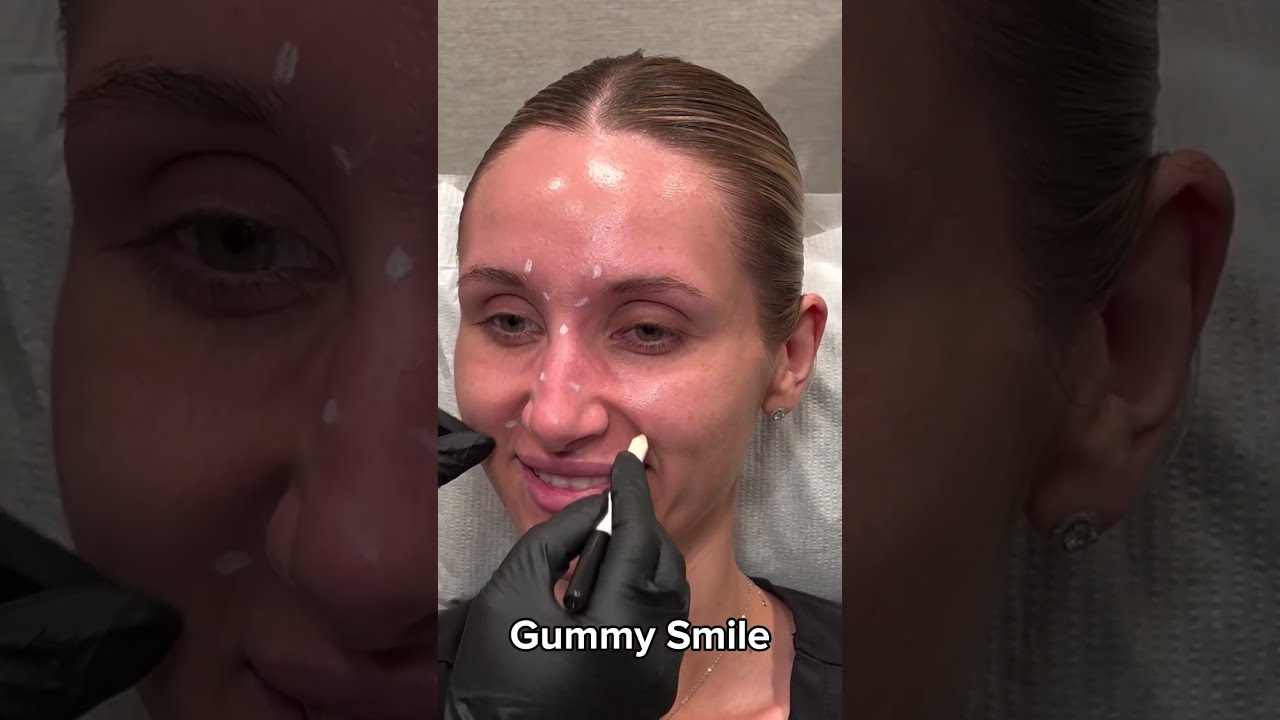
When you check in, expect to review medical history and medications. We discuss goals and set expectations in concrete terms, like decreasing morning pain by half within a month and cutting headache days from eight to three per month. I map the muscles with a skin pencil, ask you to clench, and palpate to confirm landmarks. We clean the skin, and the injections follow a predictable rhythm: clench, quick pinch, release. The botox session duration is typically shorter than the consult itself.
Right after, you can apply ice for a few minutes if you tend to bruise easily. Skip massage, hot yoga, or facial devices the rest of the day. Resume your normal diet unless tough meats feel tiring, in which case pivot to softer proteins for a week. Stay hydrated. If you use a night guard, keep using it. If you track headaches or jaw pain on a phone app, continue. Those data points help at the two‑week check.
Integrating Aesthetic Considerations Without Losing Focus
Some patients ask whether we can pair TMJ therapy with small aesthetic touch‑ups. It is reasonable if we keep priorities clear. For example, botox for eye wrinkles or a conservative botox eye lift can be done in the same visit, as can botox forehead smoothing, provided we avoid heavy lower face dosing that might interact with chewing. If someone has rosacea or oily skin and asks about botox for pore reduction or botox for oily skin, we talk about micro botox or botox micro treatment as a separate plan, because those microdoses are superficial and target sweat glands rather than large muscles. Combining botox and fillers is also possible, but I prefer to space dermal filler work by a week in cases where bite mechanics are actively changing. The unifying principle is safety first and function first.
How TMJ Botox Compares with Other Options
Night guards protect teeth, but they do not reduce muscle force. NSAIDs calm flares but are not a long‑term strategy. Muscle relaxants can help at night, though daytime grogginess limits use. Physical therapy can retrain patterns and improve posture that affects jaw alignment. Stress management matters more than it gets credit for. Botox sits alongside these, unique because it directly reduces the muscle’s ability to over‑contract, especially in the masseters. In cases of persistent clenching, botox for TMJ can offer a more decisive reduction in force than splints or pills alone.
Surgery has a role for severe joint pathology, but most patients do not need it. Orthodontics can help when malocclusion drives symptoms, though that is a longer road. The virtue of botox medical treatment is that it is reversible, measurable, and adjustable within weeks. If it helps, you know. If it does not, the effect fades and we pivot.
What Success Looks Like at Two Weeks, Six Weeks, and Three Months
At two weeks, I want to hear that mornings feel easier, chewing is more comfortable, and headaches have dropped in count or intensity. Clicking may persist, but it usually bothers you less because inflammation is lower. At six weeks, the effect should be steady. Some describe a new habit of unclenching during stressful calls, which is new because the maximum bite force is lower. At three months, you will feel the first hints of return. That is a good time to schedule the next session rather than waiting for a full relapse.
If at two weeks there is no change, we reassess. Sometimes the pain is more joint‑driven. Sometimes the temporalis was the bigger driver and needs more attention. Sometimes the dose was too conservative. The second session usually clarifies the pathway, and most patients who benefit do so by the second round.
How to Choose the Right Provider
Credentials matter. Look for a qualified botox specialist with documented experience in therapeutic jaw injections, not only botox facial injections for lines. Ask how many TMJ cases they treat monthly. Inquire about anatomy mapping, conservative titration, and follow‑up appointments. A professional botox service should include a plan for touch‑ups at two weeks if the first dose underperforms, plus a record of units and sites so you are not guessing in future sessions. A good clinic also recognizes when to refer to a dentist, oral surgeon, or physical therapist.
Here is a simple pre‑appointment checklist that helps patients feel prepared:
- Confirm your symptoms match muscle‑driven patterns, like morning pain and tenderness with clench. Bring notes about prior treatments, especially night guards and medications tried. Clarify functional goals in numbers, such as reducing headache days by half. Ask about dose ranges and how adjustments are handled after two weeks. Discuss any aesthetic preferences, like avoiding visible facial slimming.
Realistic Expectations and the Long View
Botox is not a test of willpower or permanence. It is one tool to manage a condition that often has multiple inputs. The first session is an experiment with a strong safety profile and a high satisfaction rate when candidates are well selected. The long view is steady. Many patients settle into two or three sessions per year and live without daily jaw pain for the first time in years. Some taper frequency as their habits change and their muscles decondition. Others keep a consistent schedule because stress and grinding flare with their life rhythms, and that is okay.
Along the way, pay attention to small wins. Waking without a sore face. Enjoying a chewy baguette without https://www.instagram.com/alluremedicals/ regret. Finishing a workday without a temple headache. These are the outcomes that matter far more than the unit count or the clock time of the appointment.
Bottom Line for Patients Considering TMJ Botox
If your jaw pain, clenching, or teeth grinding continues despite reasonable dental care and lifestyle changes, botox for TMJ is worth a serious look. It uses a well‑studied botox muscle relaxant effect to quiet overactive jaw muscles, often within a week, with minimal downtime. The key is careful assessment, precise dosing, and an honest conversation about your goals. Done well, it delivers both relief and control, letting you decide when and how to maintain it.
If you are weighing your options, start with a consultation that treats your case as unique. Ask questions. Expect a plan, not a sales pitch. With the right guidance, TMJ botox can be more than a trend. It can be a practical, sustainable way to reclaim comfortable movement in a part of your body you use every minute of every day.